Damaged Plumbing Vent Boots
Plumbing vent pipes assist in maintaining proper airflow for the plumbing systems throughout your house and allow harmful fumes to be released outside. The
plumbing vent boots
they are the components that surround the vent; their purpose is to prevent water from entering, thus avoiding leaks and safeguarding your roof. Vent boots may consist entirely of plastic, a combination of plastic and metal, or could be dual-part metal structures. Such boots typically have a lifespan of approximately 15 years, potentially extending up to 30 years, although they require periodic checks for signs of wear.
Inspect plastic bases for fractures and metal bases for damaged seams. Next, check the rubber boot around the pipe. It may have deteriorated or been ripped, which could let water enter the home through the pipe. If any of these issues are present, purchase a new vent boot to substitute the old one. However, if the nails at the base are gone or loose and the boot is still in good condition, install them using rubber-washed screws typically used for metal roof installations.
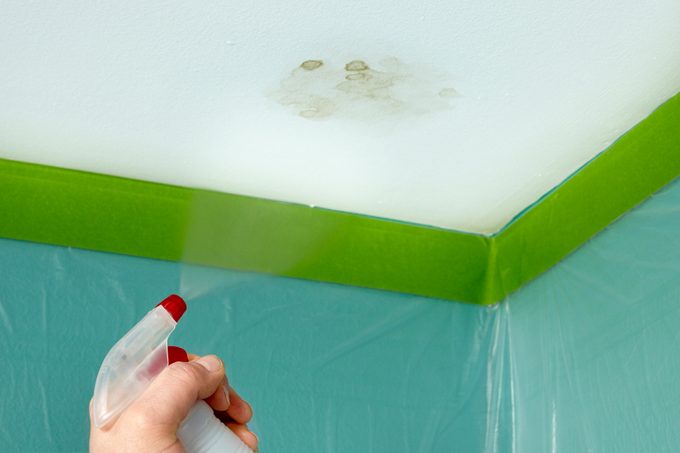
Ceiling Stains
If you notice water marks spanning across ceilings or flowing down walls, the issue is likely due to a
leaky roof
. Identifying the source of the leak is challenging; fixing a roof leak is typically straightforward.
If your roof is leaking, it’s wise to address the issue right away, regardless of whether it’s not causing significant trouble for you or if you plan to replace the roof soon. Even within a brief period, minor leaks can result in major issues like mold growth, deteriorated structural components, ruined insulation, and harmed ceiling surfaces.
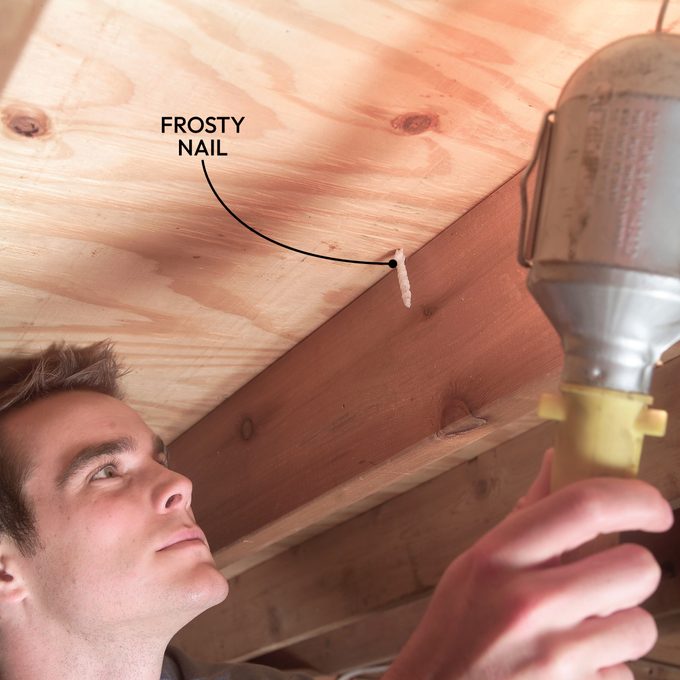
Shiners
A shiner refers to a nail that did not hit the structural component of the wall. Water vapor escaping into the attic from lower levels frequently forms moisture on cold nails, potentially leading to leaks. You might notice this issue by going up into your attic on a chilly evening. The nails may appear white due to ice buildup. As the temperature rises during daylight hours, the ice thaws and drips down; subsequently, the nails freeze again at night, repeating the cycle.
You should
inspect your attic
Occasionally, which presents an opportunity to look for shiners. Once you locate one, the fix is straightforward—use side-cutting pliers to trim the nail.
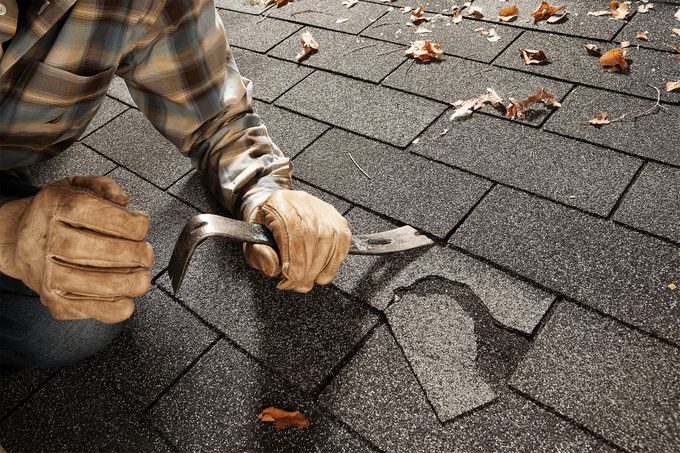
Damaged Shingles
A damaged roof tile looks unattractive and could lead to water leaks. However, as long as you’re able to locate identical tiles (and aren’t scared of being up high),
repairing damaged shingles
is straightforward.
Make sure to check your roof tiles for small openings as well. These can lead to decay and additional issues over time before visible indications of a leak appear. You could discover gaps remaining from the installation of a satellite dish or antenna bracket, or from almost any object. Additionally, any protruding or incorrectly placed nails should be removed, and the resulting holes repaired. Minor damages are easy to address, but the solution doesn’t involve filling the opening with caulking. Instead, use flashings to resolve the issue.
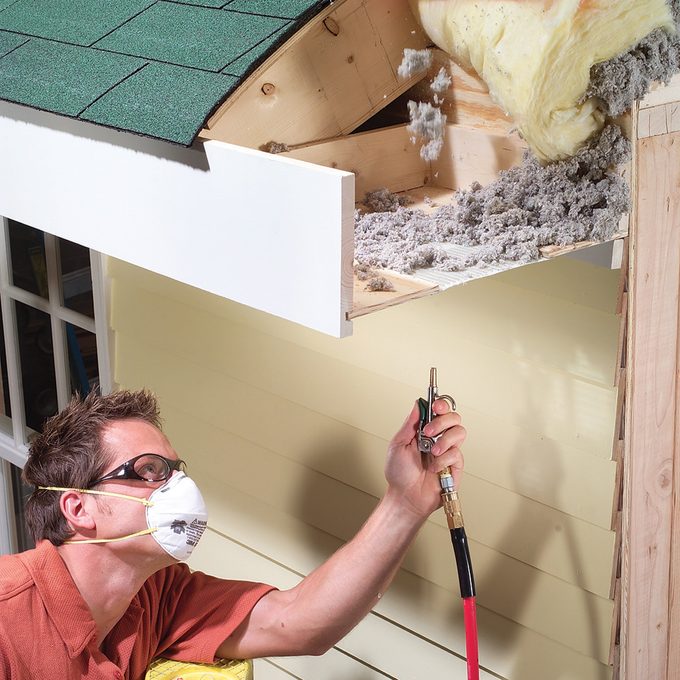
Dirty, Clogged Soffits
Proper attic ventilation is essential for maintaining the well-being of your home. It starts with
soffit vents
that breathes in outdoor air—essential for generating an airstream that expels heated air from the attic through the rooftop vents.
After entering the soffit, air typically travels via an air channel or another opening located beneath the roof into the attic area. Plastic air channels (available at hardware stores and construction supply outlets) placed within each rafter cavity ensure that the airflow remains unobstructed between the rafters and the roofing material. Unblocked soffits contribute to reducing humidity accumulation and preventing mildew development on your roof structure.
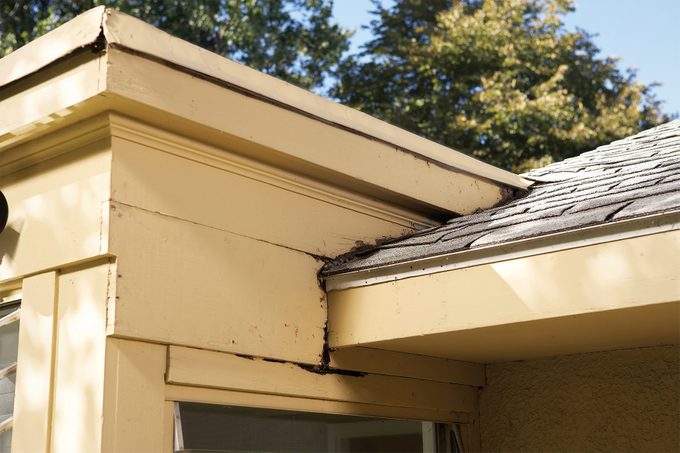
Mold at the Junction of Roof and Outer Wall
Kick-out flashing
It is crucial where the edge of a roof connects with a side wall. If absent, rainwater from the roof will drip down the wall and may enter the structure. This problem is most severe when there is a door or window nearby, allowing water to penetrate behind the molding. You might not detect this issue for many years, but over time, decay can damage the structural components of the walls.
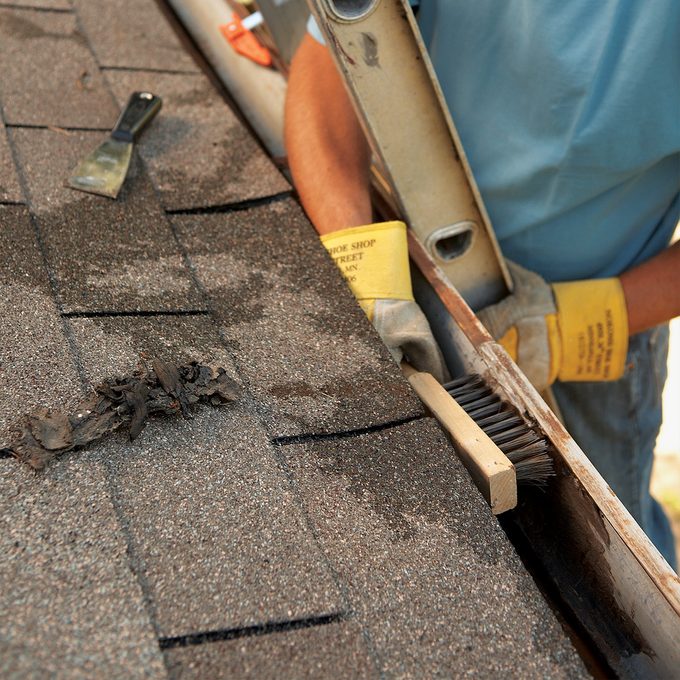
Rusted Gutters
Gutter leaks
typically begin at areas where rust has formed or seams have separated due to movement caused by temperature changes. If your gutters remain mostly intact, the simplest method to fix the leak is by applying roofing and gutter patching tape (found at home improvement stores and hardware shops). Begin by removing the rust using a wire brush and use a putty knife to clear away any old pitch or sealant.
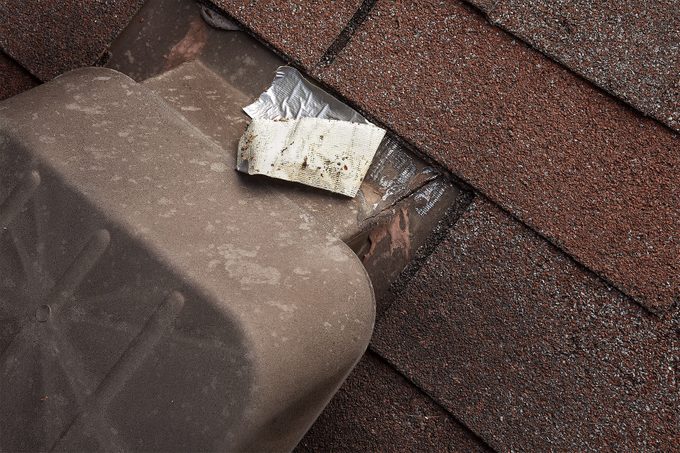
Roof Vent Issues
Inspect plastic roof vents for cracks and check metal ones for damaged seams. You may want to use caulk to address the issue, but this approach won’t provide a lasting repair. Unfortunately, there isn’t much you can do besides…
replacing the damaged vents
.
Check for broken or absent nails along the lower edge of the base. Secure them using screws with rubber washers. Typically, you can remove the nails hidden under the shingles on either side of the vent to detach it. There may also be nails located across the top of the vent. These often come loose without needing to take off the shingles. Fasten the bottom part back into position using screws equipped with rubber washers. Apply a line of caulking underneath the shingles on both sides of the vent to keep the shingles secure and create an additional waterproof seal. This method is far simpler than replacing the shingles with new nails.
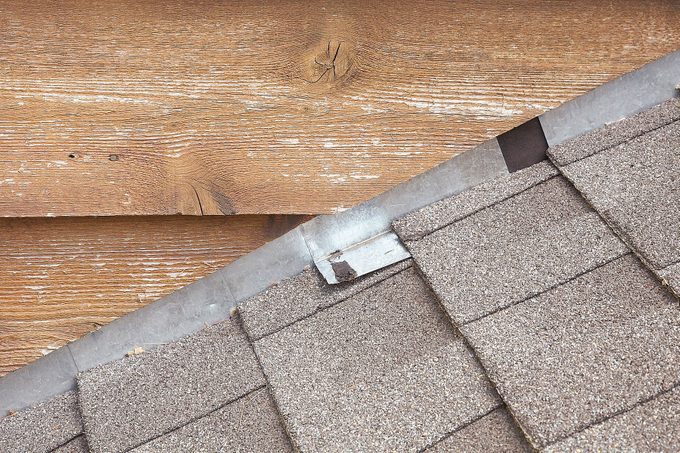
Loose Step Flashing
Step flashing
is positioned alongside walls that meet the roof. Each small part of the flashing directs water down towards the shingles, away from where it is placed. However, if the flashing corrodes or becomes dislodged, water can flow directly behind it and enter the home.
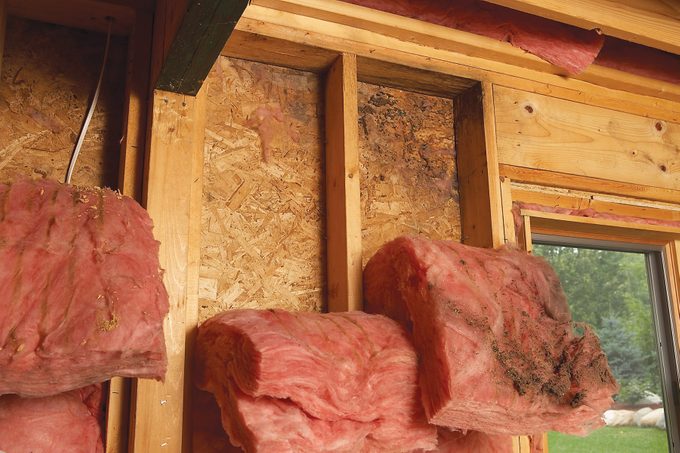
Mold on Exterior Walls
If
mold is growing
If there is a potential water leak coming from the roof, check an outside wall. Start by measuring from the affected, damp area to a fixed location such as a doorway, then locate the corresponding position on the opposite side of the wall or ceiling. Examine whether the surrounding landscape slopes towards the home and ensure that gutters are not discharging close to the wall.
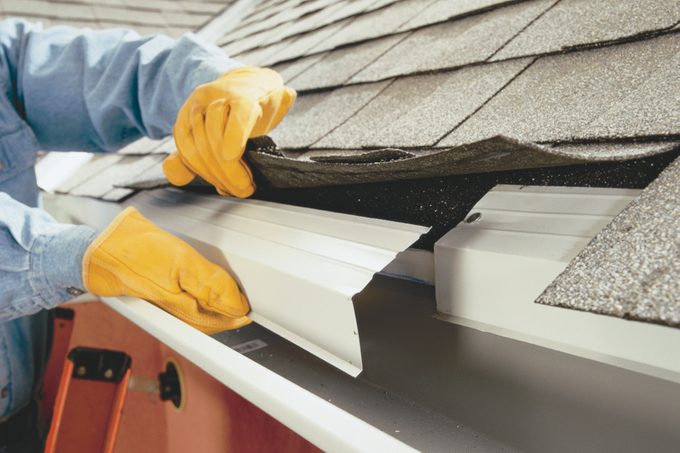
Missing Gutter Apron
As water runs over the edge of your rooftop, part of it adheres to the bottom side of the shingles and trickles down towards the eaves. If you have
eaves without an eave trim
To prevent water from accumulating, it will seep behind the gutters. Over time, this can cause damage to the fascia boards, soffits, and even the roofing material underneath. You might notice damp marks beneath the gutter on both the fascia and soffit. This is a clear indication that the gutter apron is not present.
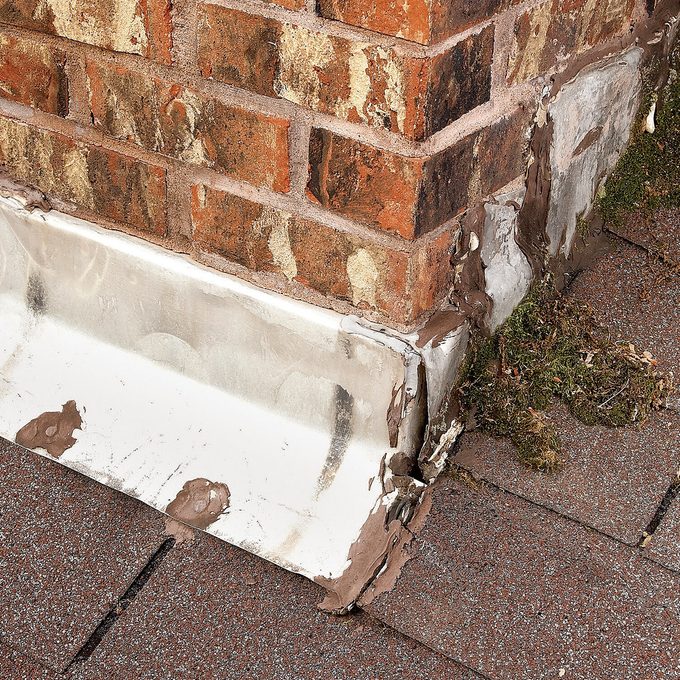
Rusted Chimney Flashing
Numerous negative events might occur near clay flue structures.
Flashing around chimneys
If it’s made of galvanized steel, it can still corrode, particularly at the 90-degree corner near the base. A temporary yet relatively durable solution is to place fresh flashing beneath the damaged, rusty section. This helps redirect any moisture that manages to get through.
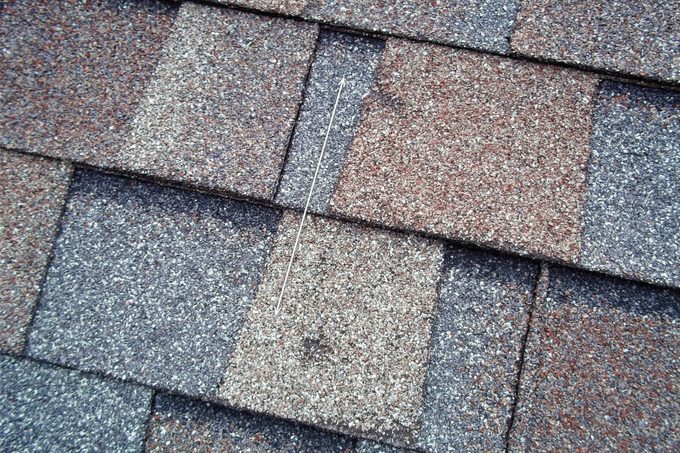
Hail Damage
When a big ice ball strikes a
asphalt shingle
It may cause tears or even pierce through the shingle. However, more often than not, it simply removes some of the granules from the top. Once a shingle starts losing its outer coating of granules, ultraviolet rays from the sunlight start to deteriorate it. Additional granules continue to come off near the affected area, causing the damage to expand.
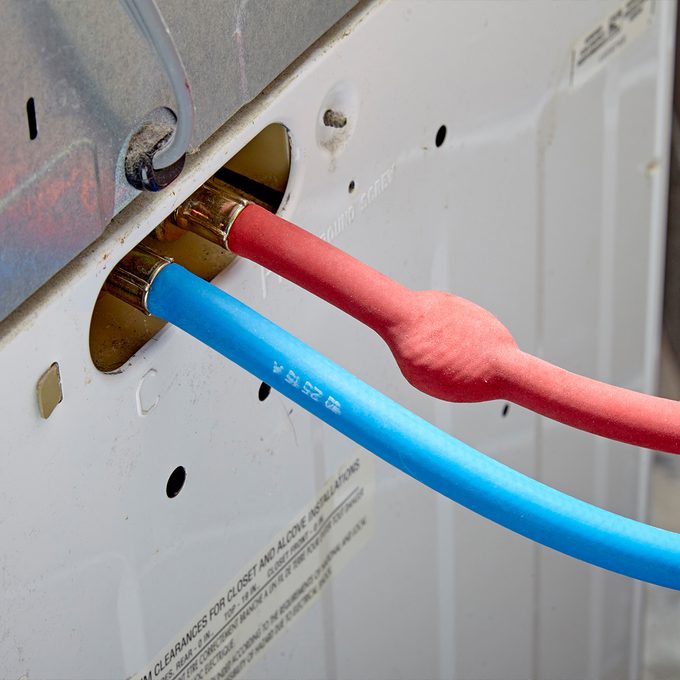
Swelling in the Washing Machine Tube?
A swollen washing machine hose indicates it’s close to rupturing, which is a critical situation that must not be overlooked. It could rupture at any time—next year, next week, or even immediately. However, it will eventually break and it won’t merely drip—it will flood. Within just a short period, this can result in tens of thousands of dollars worth of harm.
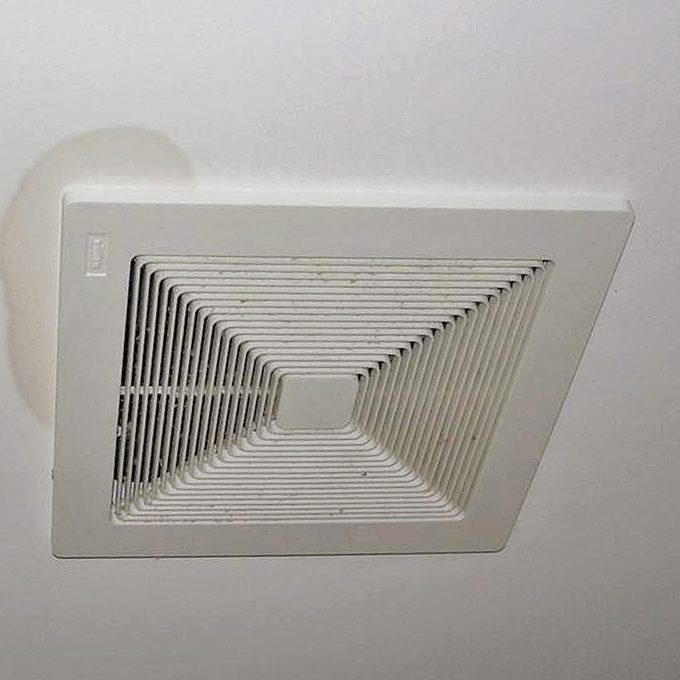
Stain Around Bathroom Fan
Explanation: Moisture is accumulating within the conduit.
The mark might result from a leaking roof, though moisture buildup within the vent is probably the main reason, according to Reuben Saltzman, a residential inspector with
Structure Tech
in Minnesota. If you reside in an area with harsh winters, it’s likely that the warm, humid air coming from the bathroom is forming moisture within the vent pipe, causing water to drip back into the fan unit. This leads to dampness affecting the surrounding wall material.
bathroom exhaust fan
and could potentially damage your fan motor or the structural elements in your attic.
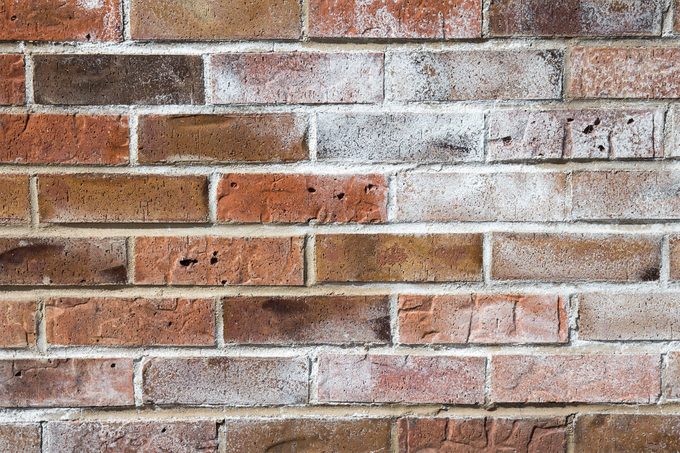
Efflorescence on Chimney Brick
Efflorescence refers to the white substance that develops on bricks. This phenomenon happens when water passes through masonry materials. As this water travels, it absorbs minerals and deposits them as fine crystals. These minerals typically pose no risk, and a slight presence of efflorescence is usual. However, excessive amounts can be more problematic.
efflorescence on your chimney
is a source of worry.
A buildup of dampness within the chimney is an indicator—when this moisture turns to ice, it can gradually damage the structure of the chimney from the inside outward. More concerning still, the vent pipe might have cracks or breaks, allowing dangerous fumes produced by your heating system, fireplace, or hot water tank to seep into your living space.
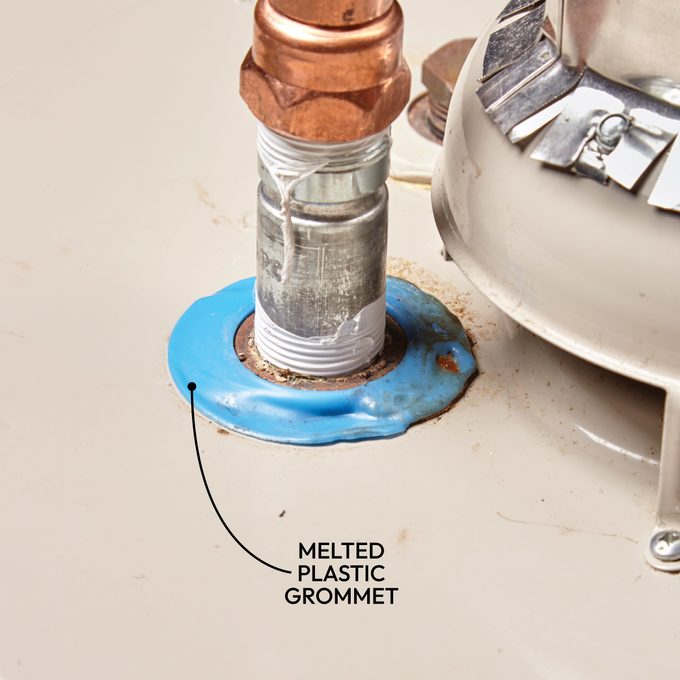
Damaged Seals on Hot Water Tank
Worn-Out Gaskets on Heating Unit
Degraded O-Rings on Water Heater
Faulty Sealing Components on Hot Water System
Compromised Grommets on Thermal Device
Broken Seals in Water Heating Equipment
Failed Gasketing on Domestic Hot Water Appliance
Malfunctioning Seal Rings on Heat Source
Deteriorated Grommet Parts on Water Boiler
Weakened Sealing Elements on Hot Water Generator
Exhaust from a gas
hot water heater
It should be designed to move through a pipe and exit the home. However, occasionally, the exhaust fails to rise and escape properly. Rather than going upward, it “backs up,” releasing harmful carbon monoxide into the breathable air. A symptom of this issue is burnt plastic grommets located atop the water heater, which have been softened by the high temperature of the escaping fumes. This indicates that your water heater has experienced severe backdrafting at least once—and immediate steps are required.
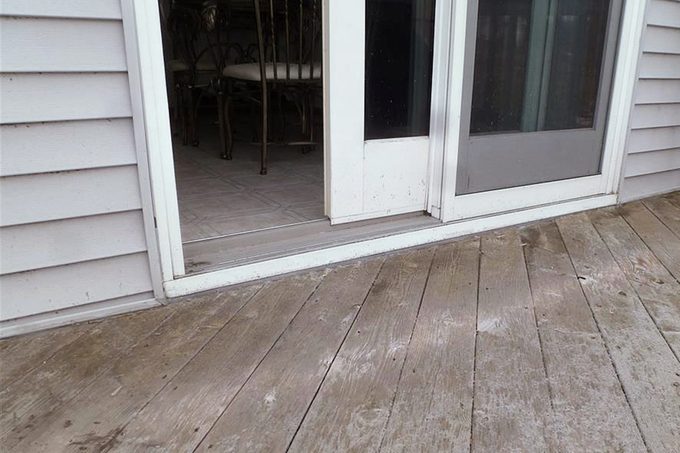
Flooring Installed Right Beneath a Doorway
Decks built
Right down to the base of a doorway usually indicates issues. Rainwater bounces from the deck toward the door. Such a volume of moisture is difficult to prevent from entering. Even if the waterproofing remains intact, water might ultimately seep through the door parts. This can damage the exterior cladding, the door itself, and indoor floors, or even more seriously, harm the header beam and other structural elements within and around your house.
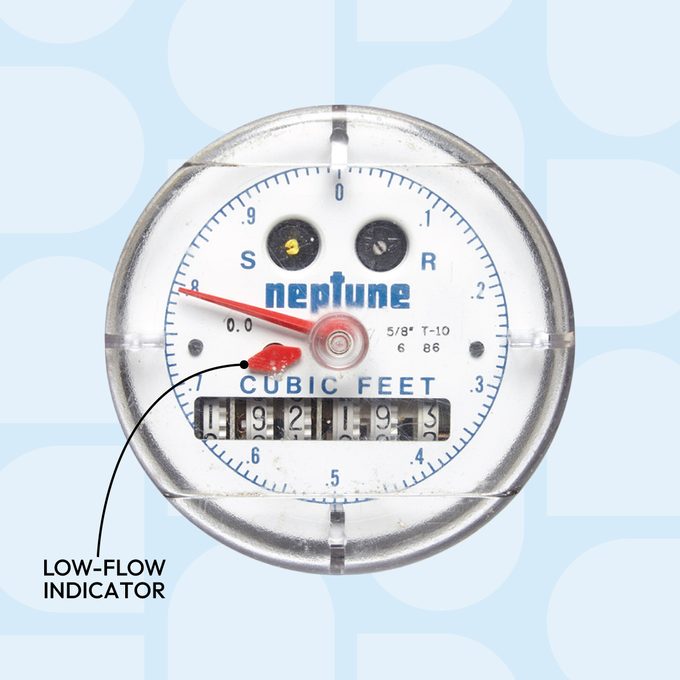
Water Meter Never Stops
If every faucet and plumbing device in your home is closed and the low-flow symbol on your water meter still shows water moving, you’re losing both water and money.
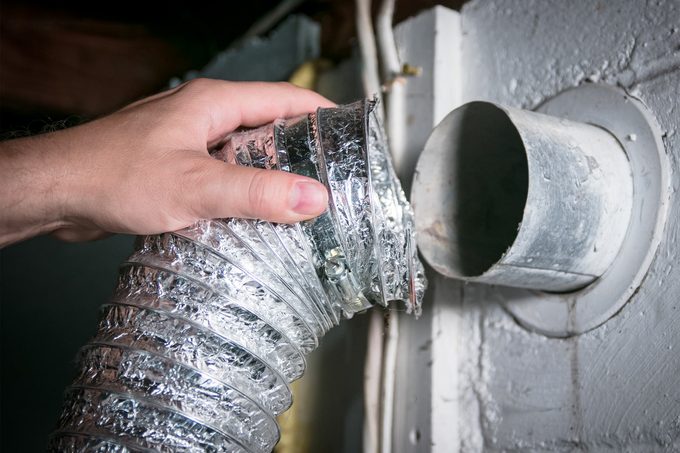
Ripped Dryer Vent Hose
A vinyl dryer vent hose is a poor choice as it accumulates more lint, needs regular maintenance, and may limit air circulation. It can also be easily damaged, leading to blocked airflow and causing the dryer to heat up excessively, potentially resulting in fire hazards. Opt for a smooth metal alternative instead.
dryer vent
without a doubt, the optimal choice.
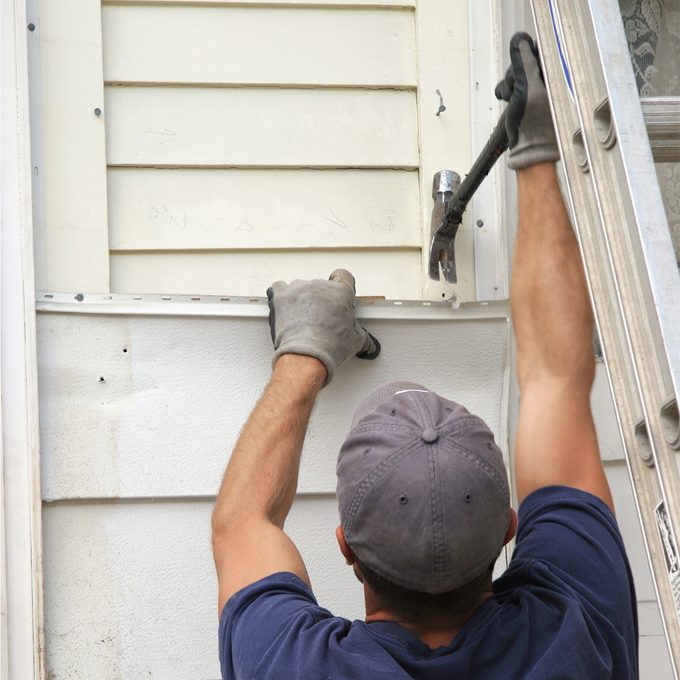
Damaged Siding
Unattractive exterior cladding not only detracts from your home’s appearance but also poses additional hazards that may lead to costly issues down the line. Issues such as water intrusion, mildew growth, and deterioration of the structure itself can occur if damaged siding isn’t addressed promptly. Identifying these problems early usually allows for a simple and inexpensive repair; however, delaying action often leads to greater complications.
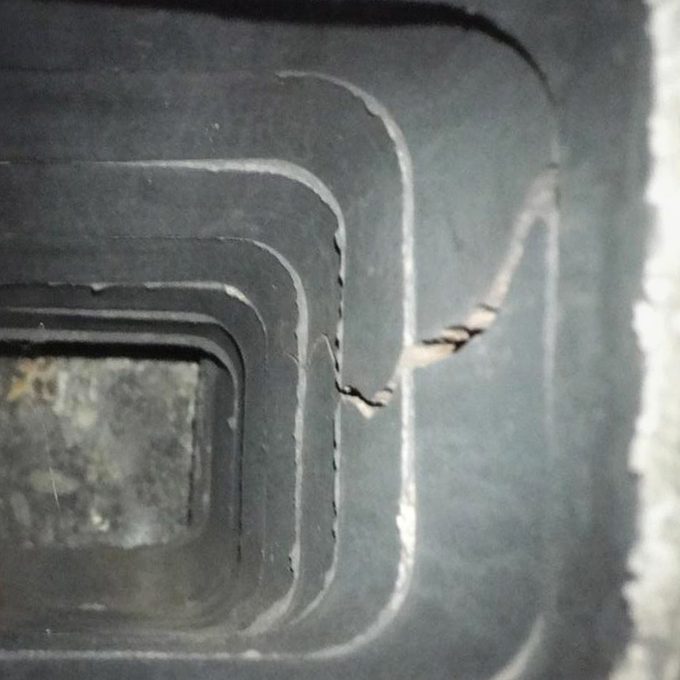
Cracked Chimney Liner
At one point, extreme heat and weather conditions may lead to cracks in a chimney liner. If left unresolved, this can result in significant issues. Firstly, damaged chimney liners pose a fire danger. They also hinder the proper flow of exhaust gases such as carbon monoxide upward through the chimney, causing these dangerous fumes to potentially return into your house. Another potential problem is structural harm to your residence. Keep in mind, you should
clean your chimney
and get it checked by an expert once a year.
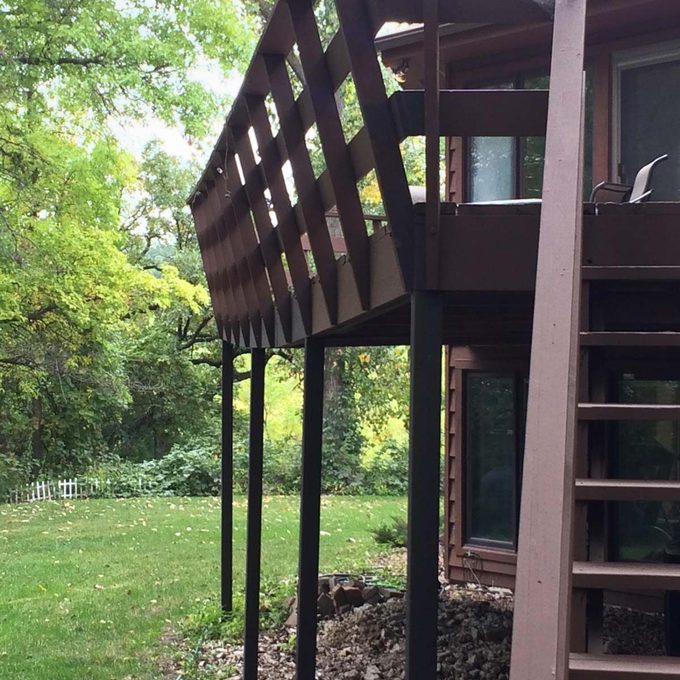
Sagging Deck
Issues such as termites and humidity can threaten decks, along with substandard building practices. If you notice a deck drooping like this example, or observe issues like decayed or bent planks, among others, it’s crucial to fix your deck before the framework actually gives way beneath you.
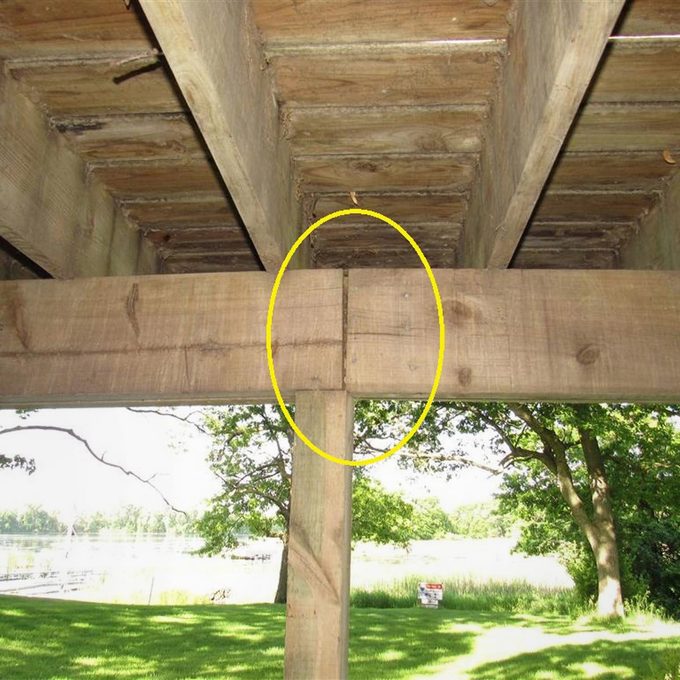
Deck Beam Splice Not Located Above the Column
Beam Connection at Deck Not Over the Post
Deck-Level Beam Joint Not Positioned Over the Support
Beam Joining Point at Deck Level Not Aligned with Column
Post-Free Beam Splice at Deck Surface
Non-Column-Based Beam Splice at Deck Area
Beam Attachment at Deck Without Being Over the Post
Spliced Beam at Deck Level Not Supported by a Column
Beam Junction at Deck Not Situated Over the Vertical Member
Deck-Side Beam Splice Not Placed Above the Column
Someone’s measuring tape might have been inaccurate when constructing this deck. It appears quite dangerous since the joint is resting on just a small portion of the post. According to most construction regulations, a beam should have at least one inch of support where it rests on a post.
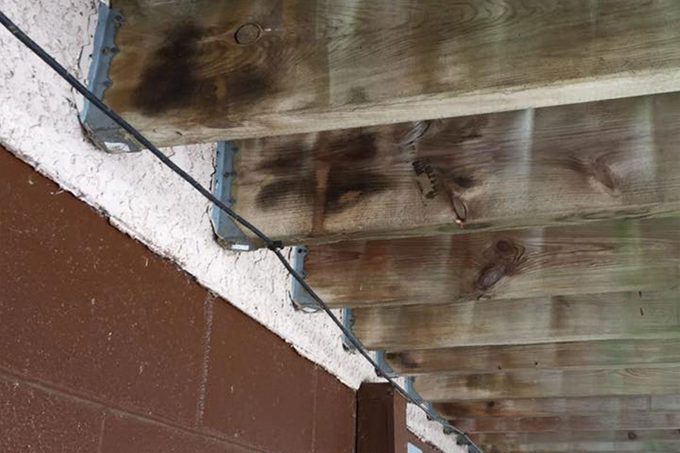
Joist Hangers Into Stucco
There’s no record of this deck, which is something to worry about. This isn’t the proper approach.
fasten a porch to a residence
and it may lead to the deck deteriorating.
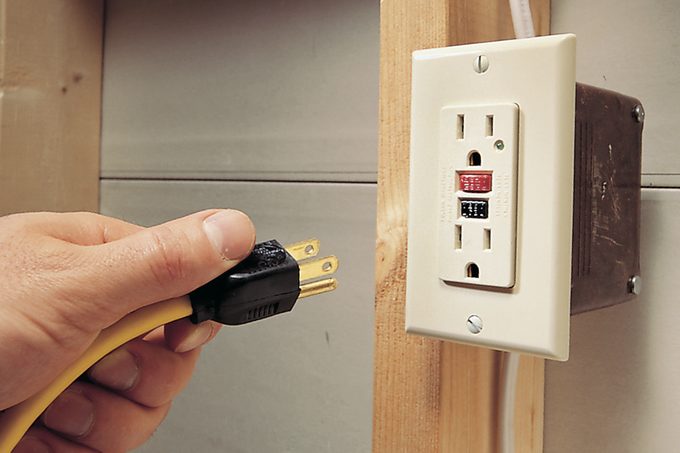
Loose Outlets
The ongoing shifting of unplugged electrical sockets may cause the internal wiring to become unstable, leading to hazardous sparking. Fortunately, you can
fix a loose outlet
pretty easily.
