A sweet treat called “Dubai-style” soft cookies has become extremely popular in South Korea, causing long lines at stores and leading the Red Cross to use them as rewards for blood donors.
Building on the worldwide popularity of “Dubai chocolate” — a pistachio-filled chocolate bar combined with delicate shredded pastry called kadaif — and driven by K-pop endorsements, “Dujjonku” has emerged as a sensation in South Korea.
 |
|
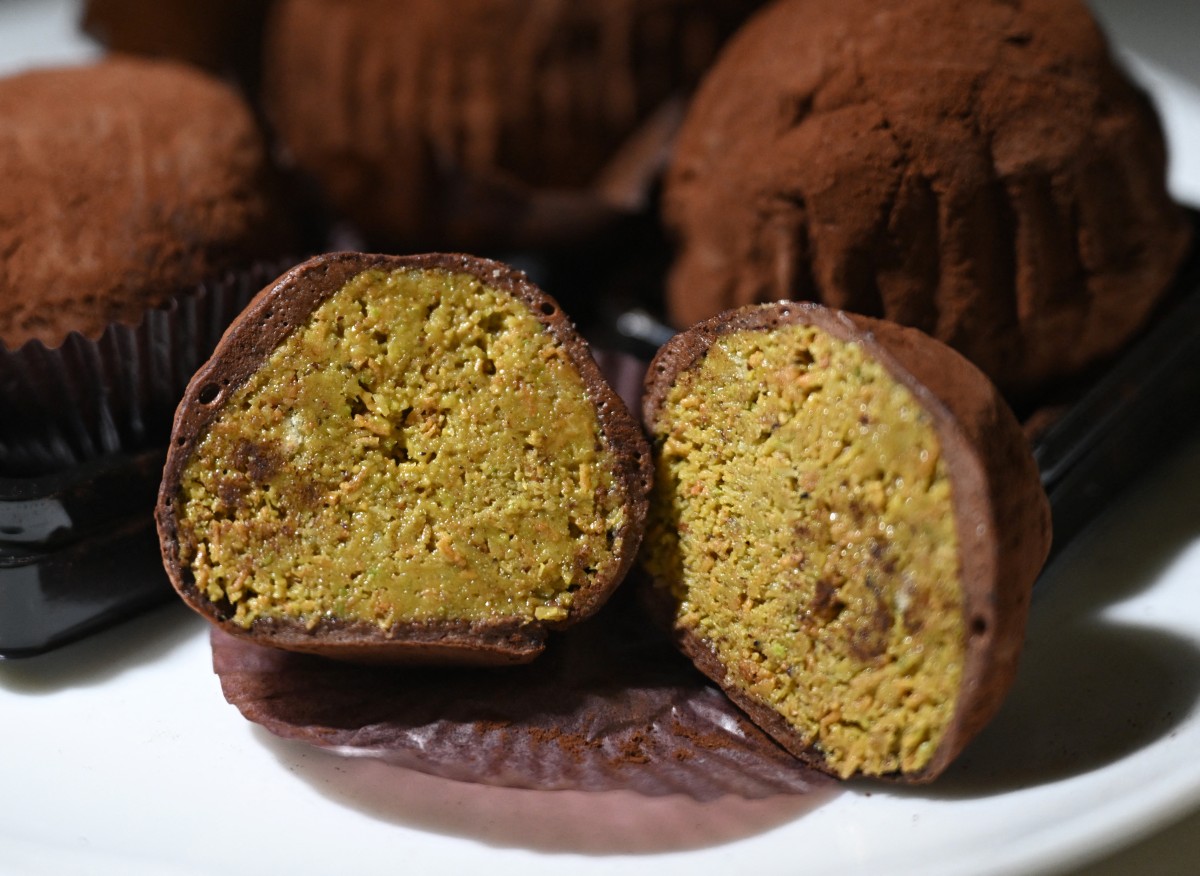
This image, captured in Seoul on January 20, 2026, depicts a general view of “Dubai-style” chewy chocolate cookies. Photo by AFP |
Searches for the dessert increased more than twenty times in the past three months, according to information from Naver, the nation’s top search engine.
Food delivery app searches for snacks increased by 1,500 times during the previous month.
And one programmer developed an online map to monitor which stores still have inventory left — convenience store versions have also frequently run out of stock.
Shoppers have gathered outside stores during the early morning hours, despite the extremely cold winter temperatures in South Korea.
“Even if there isn’t much initial interest, once you find out that everyone else is eating it, you begin to question how good it must be,” said Nam Su-yeon, a 28-year-old office worker.AFP.
“That inquisitiveness prompts you to purchase it and give it a try, then consider another location might be superior,” she stated.
Give blood for cookies
The Korean Red Cross, which has faced a persistent lack of blood donors, even started providing cookies in place of its typical sweet treats.
It caused a premature morning rush, with certain donation centers noting attendance twice the typical amount.
To prepare them, cafes melt marshmallows to form a soft outer layer combined with chocolate, then fill each serving with pistachio cream and kadaif, and finally sprinkle the top with cocoa powder.
They are not inexpensive — at just 50 grams, the average cost of this dessert is 6,500 won (US$4.40).
Transactions are typically restricted to two per individual, likely due to the fact that one cookie may contain as many as 500 calories.
This has prompted health alerts from specialists, with Korea University Guro Hospital stating that the treat can “instantly disturb the body’s metabolic equilibrium” and “endanger general health… more than just causing weight increase.”
The popularity is partially fueled by celebrity endorsements from K-pop idols.
Jang Won-young from the girl group IVE shared an image on Instagram featuring her lips coated in chocolate powder — igniting another craze for the “Dujjonku lip” look.
“It certainly appears to be a viral trend,” said Hwang Jae-kyoung, a 34-year-old office employee.AFP.
Specifically, celebrities appear to have a part.
“The price is logical from a market standpoint, but from a customer’s perspective, it is honestly high,” said Hwang.
The pattern seems to be extending to nearby China as well, with the hashtag “dubaichocholate” receiving over 329 million views on Xiaohongshu, which is similar to Instagram.
The popularity has also caused the prices of raw materials to rise sharply. A kilogram of in-shell pistachios has increased four times compared to the previous month since mid-January.
And the cost of 500 grams of kadaif has doubled, as reported by the price-monitoring app Fallcent.
The chaos has spread to unexpected domains. Sushi and conventional Korean eateries have started producing desserts as a profitable secondary activity.
Office worker Nam mentioned that they were also addicted.
“Shortly after, you end up heading elsewhere to attempt it once more,” she remarked.
