- Unemployment drops to 4.1 percent
- Central Bank anticipated to increase interest rates in the coming month
Central bank rate increases are likely to return soon following an unexpected decline in unemployment, indicating the Australian labor market is more robust than anticipated.
The unemployment rate dropped to 4.1 percent in December, with 65,200 new jobs added to the economy, according to the Australian Bureau of Statistics on Thursday.
Labor force statistics are usually unstable and will be examined with care by the Reserve Bank.
However, the most recent data will not alleviate RBA governor Michele Bullock’s worries that the labor market remains strong.
The decline in December lowers the average unemployment rate for the quarter to 4.2 percent.
The country’s main financial institution’s most recent economic projections, published in November, anticipated that the unemployment level would stabilize at 4.4 percent during that time.
Thursday’s outcome also surprised the group of market economists, who had expected the unemployment rate to remain unchanged at 4.3 percent.
Job growth surpassed expectations with a more modest rise of approximately 28,000 positions.
Although job growth slowed and job openings declined during 2025, Thursday’s figures indicated that the unemployment rate’s slow increase has come to a halt since mid-year.
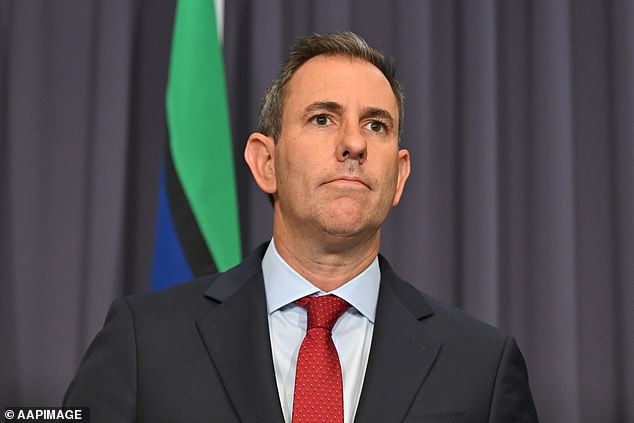
Finance Minister Jim Chalmers stated that the projection for inflation was ‘increased’ compared to what the government would prefer.
“We must not overlook the fact that the latest inflation figures showed a decrease… more than what the markets and economists had anticipated,” he stated on Thursday.
We have demonstrated in this country that we have a robust labor market while simultaneously making advancements in addressing inflation.
Chalmers mentioned it was positive to observe reduced unemployment, increased participation, and tens of thousands additional jobs being generated.
“This outcome is positive and demonstrates the strength of our job market during a challenging period for the worldwide economy,” he stated.
Harry Murphy Cruise, the head of economic research at Oxford Economics Australia, noted that it’s crucial not to overreact to a single data point but mentioned that “the chances of a rate increase are increasing.”
“The key determinant will be next week’s inflation figures,” he stated.
The key figure for the trimmed mean inflation rate is 3.2 percent.
Any amount higher than that would lead to an increase when the RBA board convenes again in early February. Any figure at or below that level should be sufficient for the board to keep rates unchanged – at least until the following meeting.
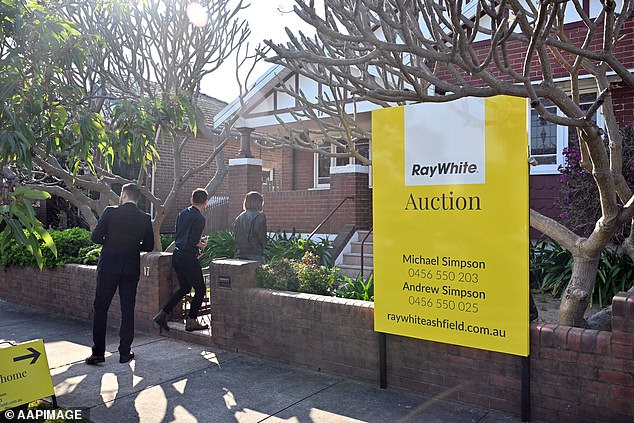
Interest rate increases are now more anticipated in recent months due to a rise in inflation.
Before the launch, financial markets had already accounted for a 25-basis-point rise by August, with traders expecting roughly a 25% probability of an increase on February 3.
After the announcement, markets quickly adjusted the probability of a February rate increase to over 50 percent, as noted by IG Markets analyst Tony Sycamore.
“The RBA’s main worry in this situation is that this tightness will influence wage increases and, more generally, contribute to inflation in an Australian economy where price pressures are already significantly elevated,” he stated.
Although unemployment fell by 30,000 people, the significant increase in employment caused the labor participation rate to rise slightly to 66.7 percent, according to Sean Crick, head of labor statistics at the ABS.
A slight decrease of nearly one percentage point in youth unemployment was a key factor, suggesting that seasonal influences during the holiday season could have affected the outcomes.
