Many individuals living in various areas of Georgia—such as Dalton, Adrian, and Louisville—and Tennessee—including Chattanooga, Dunlap, and Tracy City—are being told to remain inside following the Environmental Protection Agency (EPA)’s report that fine particulate matter (PM2.5) has hit “hazardous” thresholds, as noted on the AirNow Map as of January 22, 2026, at 2:45 a.m.
Why Does This Matter
If local air quality measurements are labeled “hazardous,” the EPA alerts that individuals within the impacted region could start encountering various health issues, such as coughing, discomfort in the eyes, throat, and nasal passages, along with feelings of chest pressure and difficulty breathing.
Individuals from vulnerable populations, such as children, older adults, and those with pre-existing cardiovascular or respiratory issues, might face more severe health consequences.
How to Act When the Air Quality Is “Poor”
If air pollution becomes “hazardous,” the EPA recommends that all individuals in the impacted region should schedule additional rest periods during outside tasks, lower the level of physical exertion, and conduct extended or demanding exercises inside whenever feasible, until conditions improve.
Local public health organizations, like the New York City Department of Health, advise using a well-fitted mask (like an N95 or KN95) to minimize contact with airborne particles when individuals need to stay outside for long durations.
People belonging to high-risk categories must exercise extra care, since higher PM2.5 concentrations may worsen or cause problems related to the heart and respiratory system.
The EPA also recommends reviewing up-to-the-minute conditions and predictions to schedule activities during periods of improved air quality, and to ensure that medicines and asthma management plans are updated for individuals with breathing issues.
The Impact of Air Contamination on Well-being
The Effects of Atmospheric Pollutants on Human Health
Air Quality Deterioration and Its Influence on Physical Condition
Environmental Pollution and Its Consequences for Wellness
Factors Related to Poor Air Quality and Their Effect on the Body
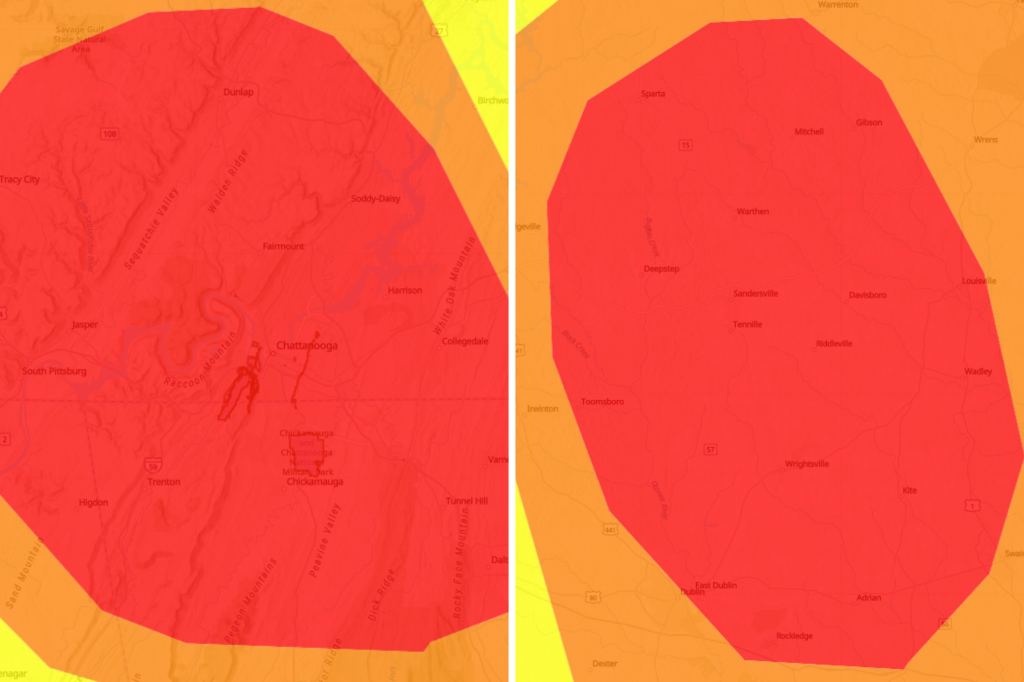
As per the EPA, fine particulate matter—referred to as PM2.5—is made up of “tiny breathable particles, typically measuring 2.5 micrometers or less in diameter.”
Due to their tiny size, PM2.5 particles can reach deep within the lungs and get absorbed into the blood circulation, which explains why contact with PM2.5 may lead to various health problems such as asthma, reduced lung capacity, and worsened breathing difficulties, and might also result in severe consequences for individuals suffering from heart-related illnesses.
What Leads to ‘Poor’ Air Quality
PM2.5 originates from various sources such as direct releases and the creation of particles in the air from gaseous substances. As reported by the EPA, typical contributors to higher levels of PM2.5 are power stations, manufacturing processes, motor vehicles, residential wood combustion, and forest fires.
How the Environmental Protection Agency Assesses Atmospheric Conditions
The Environmental Protection Agency (EPA) utilizes the Air Quality Index (AQI) to assess and communicate air quality conditions throughout the United States. The AQI employs a rating system divided into six different classifications to indicate varying degrees of health risks, where an increased AQI reading corresponds to more severe air pollution and heightened potential health concerns.
The categories are:
- Fair (0–50): The air quality is acceptable, and there is a low level of health concern for a small number of people.
- Mild (51–100): The air quality is good; certain contaminants could pose a mild risk to an extremely limited number of highly susceptible individuals.
- Harmful to Vulnerable Populations (101–150): Individuals who are more vulnerable might face health issues, whereas the broader population is unlikely to be impacted.
- Poor Air Quality (151–200): Certain individuals from the general population might face some health issues, while those who are more vulnerable could encounter more severe consequences.
- Severely Unhealthy (201–300): A health warning is issued because the likelihood of adverse health impacts rises for all individuals.
- Dangerous (301–500): An urgent health alert is released because all individuals are at higher risk of being impacted.
Related Articles
-
Abortion Restrictions in the US Have Raised the Danger for Expecting Mothers
Limits on Abortion Access in the U.S. Pose Greater Threats to Maternal Health
Rising Mortality Rates Among Pregnant Individuals Due to State-Level Abortion Prohibitions
The Impact of U.S. Laws Banning Abortions on Women’s Survival Chances
Increased Risks for Pregnancy-Related Deaths as a Result of Abortion Legislation in America
-
Researchers Connect Maternal Age with Increased Chance of Children Developing Allergies
-
Mother Discovers ‘Unusual Facial Mark’ with Medical Examination Leading to Surprising Result
